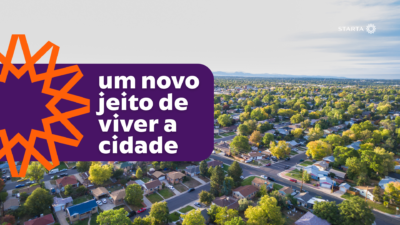
The place where we live directly influences how we feel, behave, and connect with the world. Beyond infrastructure and functionality, cities also affect us emotionally. This is where affective urbanism becomes relevant: a more human and sensitive approach to urban planning that considers the bond between people and the spaces they inhabit.
Simple activities like walking along a shaded street, sitting on a bench under a tree, or crossing an accessible sidewalk have a meaningful impact on daily life. These are the details that strengthen a sense of belonging, encourage social interaction, and directly influence physical and emotional well-being. Data from Fiocruz and other Brazilian institutions show that the presence of vegetation is linked to reduced respiratory illnesses, lower anxiety levels, and even decreased blood pressure.
These benefits extend to childhood. A study published in 2023 in The Lancet Planetary Health found that children with frequent access to urban nature demonstrate greater cognitive development, fewer behavioral issues, and improved mental health. Even in small spaces, the presence of nature can transform the relationship between cities and their inhabitants.
Beyond health, affective urbanism helps create more welcoming cities. Environments with vibrant façades, efficient lighting, urban art, active public squares, and inviting street furniture encourage people to stay, interact, and build lasting emotional connections. It is within these details that meaningful relationships between people and places are formed.
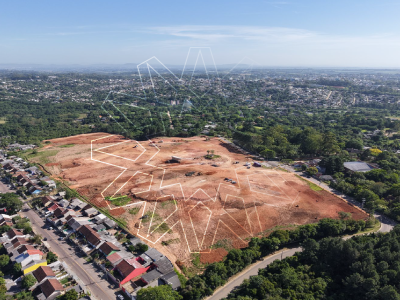
It is also impossible to ignore the role that well-planned green areas play in the face of climate change. In this context, the challenge for modern urban developers is to balance urban growth with sustainable and thoughtful solutions. In areas that were once underused or degraded, responsible planning can transform land into planned communities that harmonize housing, infrastructure, green spaces, and social interaction. The creation of tree-lined public spaces, the conscious selection of native species, and careful urban drainage planning are all examples of how development can move forward without compromising respect for nature.
Curitiba remains a benchmark for this approach. Its urban planning, built over decades, prioritizes the integration of green areas, mobility, and quality of life. Not by chance, in May 2025, the Social Progress Index (IPS) by Imazon ranked Curitiba as the Brazilian capital with the highest quality of life, highlighting its 68 sqm of green space per capita.
So, what makes someone love where they live? The answer lies in designing neighborhoods and spaces with the life that happens within them in mind, transforming concrete into a sense of belonging. All of this shows that building cities with care and intention is not a passing trend, but a path toward more human, safe, and healthy urban environments. In the end, what makes someone love where they live are the details that connect, welcome, and make them feel at home.